It's not a question of motivation. It's a question of decision.
People often ask me how I manage so many things at once. Work, family, music, sport, talks, articles, public speaking, threat watch, reading, meetings, passing it on…, And the answer almost always disappoints…
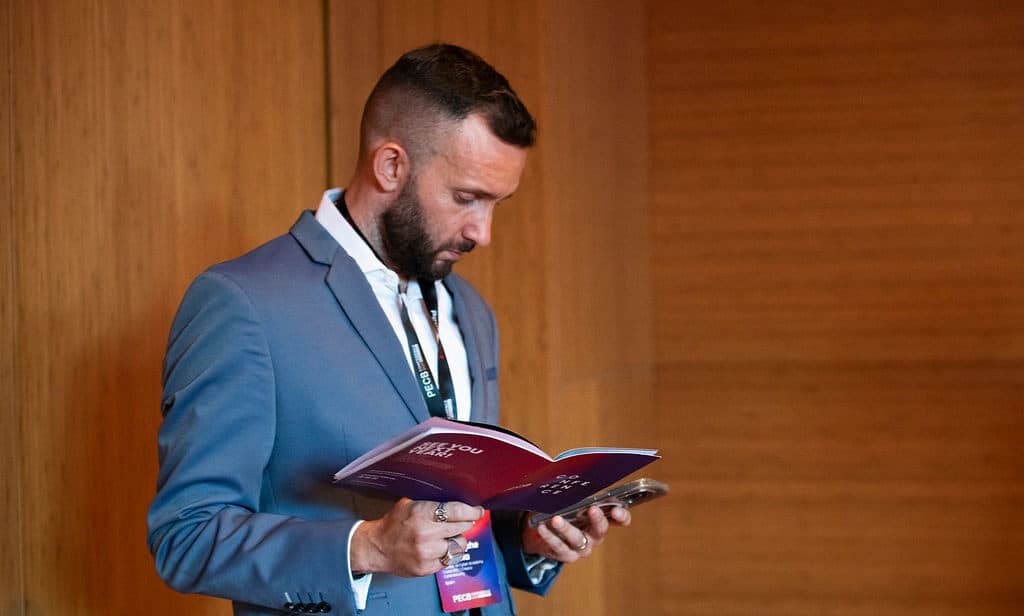
People often ask me how I manage so many things at once.
Work, family, music, sport, talks, articles, public speaking, threat watch, reading, meetings, passing it on…,
And the answer almost always disappoints.
It's not motivation.
It's not inspiration.
It's not talent.
It's a decision.
We've grown used to softness
We live in an age that celebrates intention more than action.
Where we prize vulnerability but forget resilience.
Where we "do our best" instead of doing what is necessary.
Let's be clear:
You can't claim you want to become better if you can't even make your bed.
You can't build a business, run a team or protect systems if you're incapable of giving yourself one hour without distraction.
You are the first system you have to secure.
And if it's full of flaws (excuses, procrastination, escape) then everything you build on top of it will be fragile.
The stairs test
There's a simple test to know whether someone is ready to do what's needed: the stairs test.
Put a person in front of two choices:
- An escalator (easy, quick, effortless)
- A staircase (slightly painful now, but beneficial over the long run)
Guess what?
The vast majority of people take the escalator.
A minority take the stairs.
And it's exactly the same in life.
Immediate ease (procrastination, distraction, excuses) is always sexier than conscious effort (discipline, clarity, rigor).
But over the long run, one wears you down, the other strengthens you.
Today's comfort is often tomorrow's discomfort.
Discipline is what's left when everything else has given out
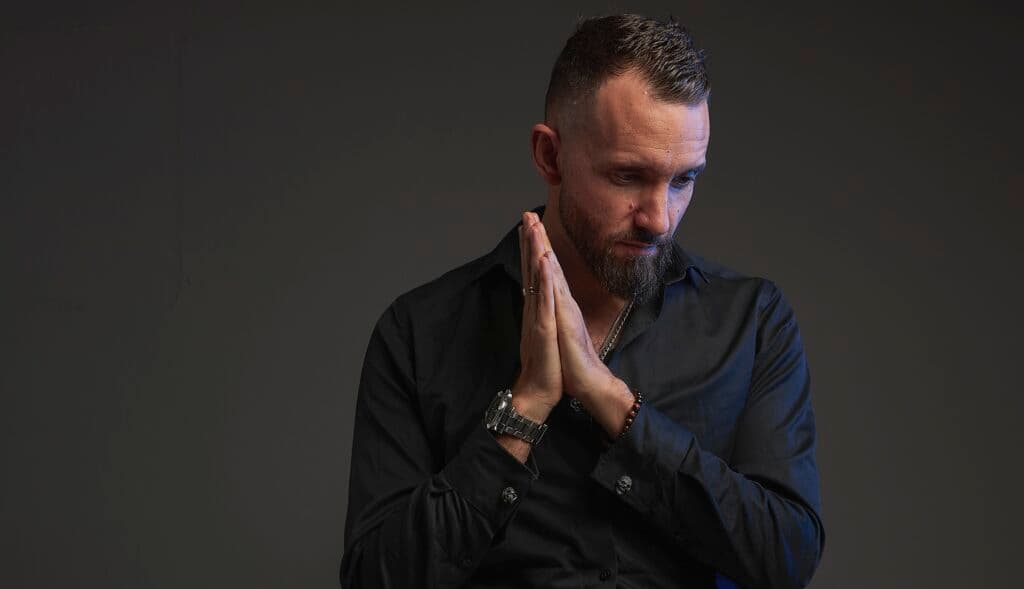
It's not a question of "feeling".
It's a question of getting up when you don't feel like it.
Of opening that file when you're already wiped out.
Of making hard decisions when it would be simpler to pretend.
Of keeping quiet and listening when your ego wants the opposite.
It's the sum of small, deliberate humiliations.
The ones you inflict on yourself so you no longer suffer them from others.
You want to be a leader? Start by being reliable
Leadership isn't a title or posts on LinkedIn.
It's being the one people call when things go wrong.
The one who stays on their feet when everyone else panics.
The one who does what needs to be done, even when no one is watching.
You want impact? You want to take people with you? Start by disciplining yourself.
Not for the likes.
Not for the image.
For your own integrity.
Because you know you'll never be able to demand from others what you don't demand from yourself.
Every day, you choose who you become
Every email left unanswered.
Every workout skipped.
Every book never opened.
Every word not kept.
These are lines of code in your personal operating system.
And what you're building isn't just a company, a career, an image.
It's you.
You want to hack your life? Start by hacking your relationship with effort.
In short?
You want to become stronger? Be clear-eyed.
You want to inspire? Be consistent.
You want to progress? Be radical.
You want to respect others? Start by respecting yourself.
No need for a miracle.
No need for a guru.
No need for dopamine.
Just: a decision.
And a promise you won't let go of. Even when it's hard.
Especially when it's hard.
Questions fréquentes
According to the author, what makes it possible to handle so many things at once?
Not motivation, inspiration or talent, but a decision you own and hold, even when it's hard.
What does "you are the first system you have to secure" mean?
Before building a business, running a team or protecting systems, you have to deal with your own flaws (excuses, procrastination, escape), otherwise everything you build on top of them stays fragile.
What is the stairs test?
A simple test: faced with an escalator and a staircase, almost everyone chooses immediate ease. Yet over the long run, conscious effort strengthens where comfort wears you down.
How does the article define leadership?
Not a title or posts shown off on LinkedIn, but reliability: being the one people call when things go wrong, staying on your feet in the panic and acting even when no one is watching.
L’auteur
Christophe MazzolaJ’écris sur la cybersécurité telle qu’elle se vit vraiment : gouvernance, facteur humain, et tout ce que les rapports d’audit n’osent pas dire au COMEX. Auteur de « Être en cybersécurité ».

Être en cybersécurité
Une feuille de route cyber en clair, pour tout le monde, pas seulement les experts.