Chat Control 2.0: Europe is playing with our digital freedoms
It is one small line in an obscure text. An article barely mentioned in the mainstream press. A closed-door meeting in Brussels.
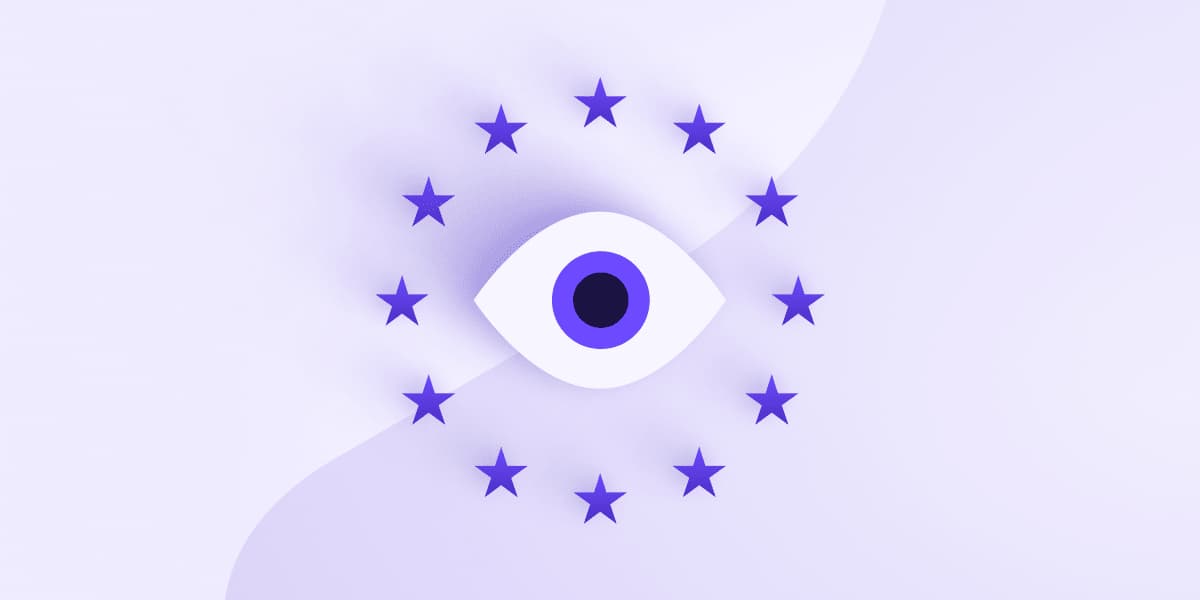
It is one small line in an obscure text. An article barely mentioned in the mainstream press. A closed-door meeting in Brussels. And yet, what is being set in motion could well become one of the biggest authoritarian turning points in Europe's digital history.
Behind the misleading name "Chat Control 2.0" lies an attempt to slip in, through the back door, a mechanism for the mass surveillance of private communications online. A text that, if adopted as it stands, would allow your private messages to be scanned, even encrypted ones, would require proof of identity to create an email account, and would bar millions of young people from social media.
And all of this in the name of protecting children.
Security-state thinking dressed up as morality
After several member states flatly rejected the initial "Chat Control" project in 2023, the Commission is back on the offensive today. But with a far more devious method: pushing the same measures through under different terms, vaguer and more ambiguous ones.
The new Article 4 of the text would thus require messaging services (from WhatsApp to Telegram, Signal, and even email) to take "appropriate risk mitigation measures". In plain terms? You are not directly forced to scan your users' messages, but if you do not, you will be considered negligent.
This is not regulation. This is bureaucratic blackmail.

Total surveillance, dressed up as prevention
Worse still, this text broadens the scope of surveillance. It is no longer only about scanning suspicious images in search of illegal content. The project paves the way for the automated scanning of texts, metadata and private conversations. By AI. By algorithms. On all your devices.
This goes beyond every fantasy of the totalitarian societies.
Because no AI today can tell the difference between an anxious message from a teenager to his girlfriend and an attempt at sexual predation. Between dark humor and a genuine incitement to hatred. The result? Thousands of false positives. Private conversations siphoned off. Citizens placed under algorithmic surveillance without the slightest tangible suspicion.
And meanwhile, the real predators adapt their tools. Move to other platforms. Slip past the filters. As always.
Anonymity in the crosshairs
Another point passed over in silence: to "protect minors", Europe is considering imposing mandatory identification to open online accounts.
Translation: the end of anonymity.
You will no longer be able to create an email account, use a messaging service or browse certain services without proving your age. And therefore your identity. A nightmare for journalists, activists, dissidents and whistleblowers. A dream for every authoritarian state.
And this is not conspiracy-theory fantasy. It is written in black and white in the project.
Controlling the young... by cutting them off from the world
The icing on the cake: the text proposes an outright ban on access to messaging services, social media, and even online games for anyone under 16.
No education. No guidance. No discernment. Just brutal exclusion. A digital lockdown under the pretext of safety. As if you could educate by isolating. As if you could protect by cutting off access to the world.
It infantilizes the young and is one more sign of a legislator completely disconnected from real digital practices.
What this says about us
We often talk about AI, cybersecurity, digital sovereignty. But what this bill shows is that in reality it is our fundamental values that are at stake: privacy, freedom of expression, the presumption of innocence, anonymity.
And all of it is sacrificed on the altar of a legitimate but politically exploited fear: the fear of child abuse crimes.
Yes, these crimes exist. Yes, they must be fought. But you do not fight fire by burning down the whole house.
This is not a compromise. It is a sham.
This text does not protect. It surveils.
It does not empower. It infantilizes.
It does not secure. It betrays.
And above all: it is laying, slowly but surely, the foundations of a model of society where surveillance becomes the norm, and freedom an anomaly.
What do I propose?
Not a "no" on principle. But a "yes" to intelligence.
- Yes to targeted protection ordered by a court.
- Yes to end-to-end encryption for all.
- Yes to a policy of digital education, not suspicion by default.
- Yes to a Europe that protects its children without policing its citizens.
This is not a security law. It is a test of democratic clear-sightedness.
And that test, Europe is failing.
Questions fréquentes
What is "Chat Control 2.0"?
It is a European project that, under the guise of protecting children, would allow private messages to be scanned even when encrypted, would require identification to create an account, and would restrict minors' access to online services. It revives the measures of the "Chat Control" project rejected in 2023 under more ambiguous terms.
Is end-to-end encryption under threat?
Yes. By imposing "appropriate risk mitigation measures", Article 4 of the text pushes services to scan messages, which amounts to circumventing or weakening end-to-end encryption.
Why does the author criticize automated AI scanning?
Because no AI can reliably tell an innocuous message apart from a genuine predatory attempt. The result would be thousands of false positives and the surveillance of citizens without any tangible suspicion, while the real predators move elsewhere.
What alternative does the author propose?
Targeted protection based on a court order, end-to-end encryption for everyone, a policy of digital education rather than suspicion by default, and a Europe that protects its children without surveilling its citizens.

L’auteur
Christophe MazzolaJ’écris sur la cybersécurité telle qu’elle se vit vraiment : gouvernance, facteur humain, et tout ce que les rapports d’audit n’osent pas dire au COMEX. Auteur de « Être en cybersécurité ».

Être en cybersécurité
Une feuille de route cyber en clair, pour tout le monde, pas seulement les experts.