Cyberpsychology and power: how emotions are manipulated
Not a week goes by without talk of "manipulation": in the media, on social networks, through AI, in political campaigns or information crises.
Not a week goes by without talk of "manipulation": in the media, on social networks, through AI, in political campaigns or information crises.
We know it exists. But we keep imagining it concerns other people. The ones who are impressionable, distracted, "not critical enough".
What if we were wrong?
You don't manipulate intelligence. You manipulate emotions.
When we think of a cyberattack, we think of a booby-trapped file, a ransomware, a virus. But most of the time, what brings an organisation down is not malicious code. It is a human reaction.
A click. A moment of panic. A moment of confusion. A loss of trust.
The lever is rarely technical. It is stress, urgency, the fear of getting it wrong, the need to move fast.
This is where cyberpsychology comes in: understanding how our cognitive biases, our emotional states and our perception of reality shape our decisions when facing digital systems.

Power lies with whoever triggers the right emotion, at the right moment
A fake security alert, an email that plays on fear, a message that seems to come from your management: these are not mistakes. They are strategic tools.
Cybercriminals understand emotional levers very well:
- Urgency to cut off your analysis.
- Authority to make you obey without checking.
- Guilt to destabilise you.
- Curiosity to trigger a click.
The most unsettling part is that these same levers are also used, sometimes unconsciously, inside organisations themselves:
- Constant pressure.
- A culture of reactivity.
- Hunting for mistakes rather than learning.
In other words: we weaken our own psychological defences.
Digital manipulation is often invisible
It is not one big lie. It is a gradual shift:
- A well-placed algorithmic suggestion.
- A trend artificially pushed to the top.
- A feeling that "everyone thinks like me".
And here again, it is not a matter of intelligence. It is a matter of mental load, fatigue, information overload.
The brightest minds can get caught, simply because they are human.
What we can do, in practice
No, we are not all going to become experts in cognitive psychology. But we can put a bit of clarity back into our practices:
- Accept that we all have biases. All of us.
- Create environments where it is possible to say "I don't know" without fear.
- Develop simple verification reflexes, even internally.
- Teach cyberpsychology in an accessible way.
And above all: slow down. Take a breath between stimulus and response. Because that is often where everything is decided.
Emotion is not the problem. The silence around it is.
No cybersecurity policy will hold if it does not account for the human being. And the human being is their skills, yes. But also their fears, their reflexes, their need for recognition, their fatigue.
Until we have built this dimension in, we will be building sandcastles.
It is time to stop seeing "users" as the weak link. And to see them for what they really are: the heart of the system.
Learn more about my activities
Questions fréquentes
What is cyberpsychology?
It is the understanding of how our cognitive biases, our emotional states and our perception of reality shape our decisions when facing digital systems.
Which emotional levers do cybercriminals exploit?
Urgency to cut off analysis, authority to make people obey without checking, guilt to destabilise and curiosity to trigger a click.
Do you have to be uncritical to be manipulated?
No. It is not a matter of intelligence: even the brightest minds get caught, simply because they are human, tired or overwhelmed with information.
What can we do in practice?
Accept that we all have biases, create environments where saying "I don't know" is possible, develop simple verification reflexes, teach cyberpsychology and, above all, slow down between the stimulus and the response.

L’auteur
Christophe MazzolaJ’écris sur la cybersécurité telle qu’elle se vit vraiment : gouvernance, facteur humain, et tout ce que les rapports d’audit n’osent pas dire au COMEX. Auteur de « Être en cybersécurité ».
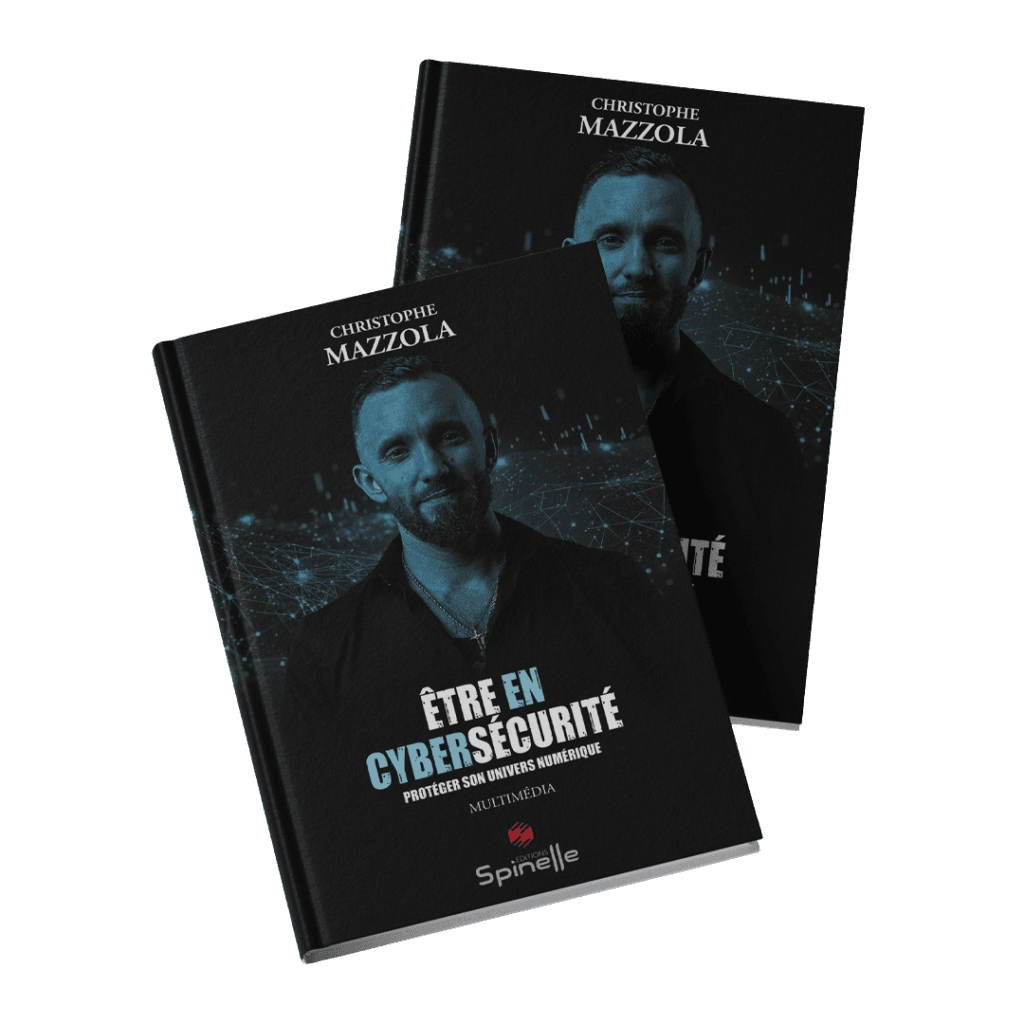
Être en cybersécurité
Une feuille de route cyber en clair, pour tout le monde, pas seulement les experts.