Back from Barcelona: AI, crisis and leadership
I spent a few days in Barcelona running a workshop on AI and crisis management in cybersecurity. A packed room, very different profiles, and one shared observation: the fog. Too much information, too many tools, not enough bearings.
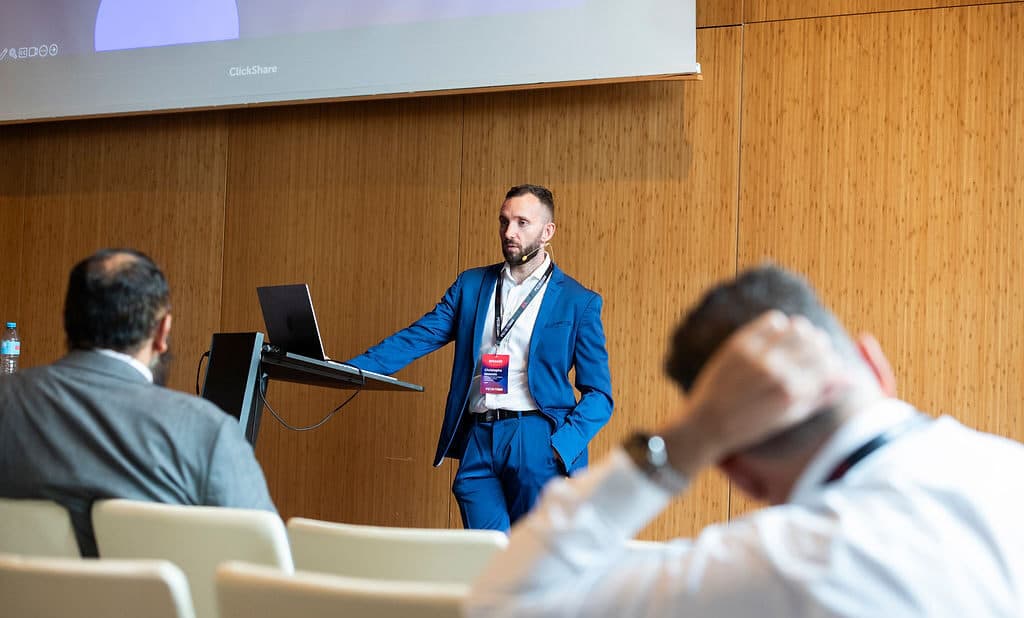
I spent a few days in Barcelona running a workshop on AI and crisis management in cybersecurity. A packed room, very different profiles, and one shared observation: the fog. Too much information, too many tools, not enough bearings.
I opened with a simple question: who here feels like a hacker? A few hands went up. Not the ones you would expect.
Behind that word, people often picture a masked pirate. I see it more as a way of thinking. A hacker is someone who observes, questions, repurposes. A kind of artistic mindset, not a criminal one.
And that is exactly the attitude we will have to cultivate, because crises no longer look like the ones we learned to handle.
AI no longer answers, it acts
We have moved from ChatGPT answering questions to AI agents making decisions. Not on their own, not without you, but fast enough that you lose your footing if you are not prepared.
It is no longer a spectacular technology. It is a silent infrastructure. Like electricity. And it forces one thing: being clear about what you expect from it. Because it has no intention. No intuition. It does what it is asked, sometimes too well.
I said it plainly in Barcelona: AI does not need meaning, you are the one who has to give it.
Cyber is not just about systems, it is above all about people
There is one figure we forget far too often: 95% of cybersecurity incidents have a human origin. A mistake. Fatigue. A cognitive bias.
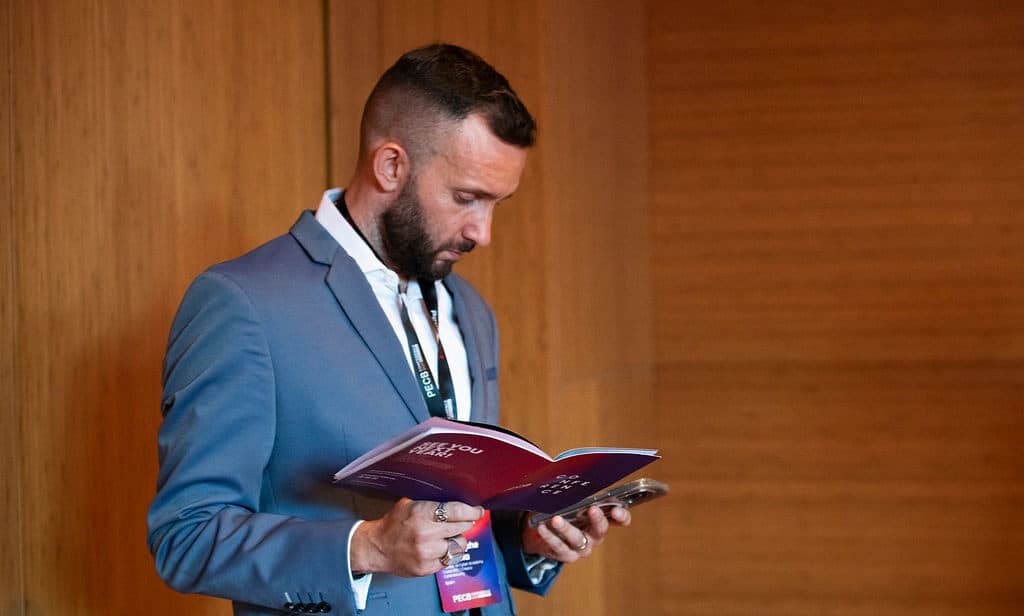
Cyberpsychology
That is why I talk about cyberpsychology. It is not a fancy word, it is simply the reality of our daily life: it is people who click, who reply, who ignore or who panic. And these are the same people we expect to react correctly when everything spins out of control.
Understanding the human factor should be the foundation of any cyber strategy. Not a bonus chapter.
Leadership is not a role. It is a human skill.
In moments of tension, people do not look at someone's title. They look at who keeps a cool head. Who asks a clear question. Who speaks up without adding to the chaos.
Leadership, for me, is not about running a team. It is about knowing how to be useful to others, in the moment. Clarifying, reassuring, unblocking, proposing.
These are human skills. Junior or senior, technical or not, it does not matter. What counts is the stance. And the readiness to act.
What exactly are you expecting?
A crisis is the moment when everything that was blurry becomes urgent.
- Who decides?
- What to prioritize?
- Who communicates?
AI can help. It can cut detection time, provide scenarios, analyze event logs faster than you can read them. But it will not replace what you fail to set out clearly: your logic, your priorities, your limits.
That is where leadership comes in. Not the leadership of grand theories. The everyday kind. The kind that, when everything is shaking, keeps a steady mind. The kind that can say "I don't know yet" and still moves forward.
What I saw in the room
It was not a room full of hackers. Nor pure decision-makers. It was a patchwork. And that was exactly right.
What I saw was people realizing that AI was not some distant future. It is here. And that the real stake is not understanding the models, it is knowing how you are going to fold it into your daily life without becoming a spectator of your own tools.
I also saw a lot of discomfort. Fatigue. A lot of "we don't know where to start." And that is normal.
So where do we start?
I offered them a simple starting point:
- Read, to feed yourself with something other than streams of notifications.
- Write, to clarify what you really think.
- Debate, so you don't go in circles inside your own certainties.
It is not a miracle method. It is a rhythm. And in a world that keeps accelerating, rhythm is worth its weight in gold.
If you should remember one thing
AI will keep moving forward, whether you like it or not. The only real choice is how you approach it: as one more gadget, or as a lever to become clearer, quicker to react, more human.
What I take away from this workshop is that many people are ready. But they are waiting for permission.
The good news: it will not come from above.
It comes from you.
Learn more about My resources and my book "Être en cybersécurité"
Questions fréquentes
What is cyberpsychology according to the author?
It is the realistic recognition of the human factor in cybersecurity: it is people who click, reply, ignore or panic. Understanding these behaviors should be the foundation of any cyber strategy, not a bonus chapter.
What role does AI play in crisis management?
AI can cut detection time, suggest scenarios and analyze event logs faster than a human. But it does not replace the logic, priorities and limits that the decision-maker has to set clearly.
Why does the author define leadership as a human skill?
Because under pressure, people do not look at someone's title but at who keeps a cool head, asks a clear question and acts without adding to the chaos. Leadership is a stance that is useful to others in the moment, open to juniors and seniors alike.
Where should you start to adapt to AI?
The author suggests a simple three-part starting point: read to feed yourself differently, write to clarify your thinking, debate to avoid going in circles. It is a rhythm to hold, not a miracle recipe.
L’auteur
Christophe MazzolaJ’écris sur la cybersécurité telle qu’elle se vit vraiment : gouvernance, facteur humain, et tout ce que les rapports d’audit n’osent pas dire au COMEX. Auteur de « Être en cybersécurité ».
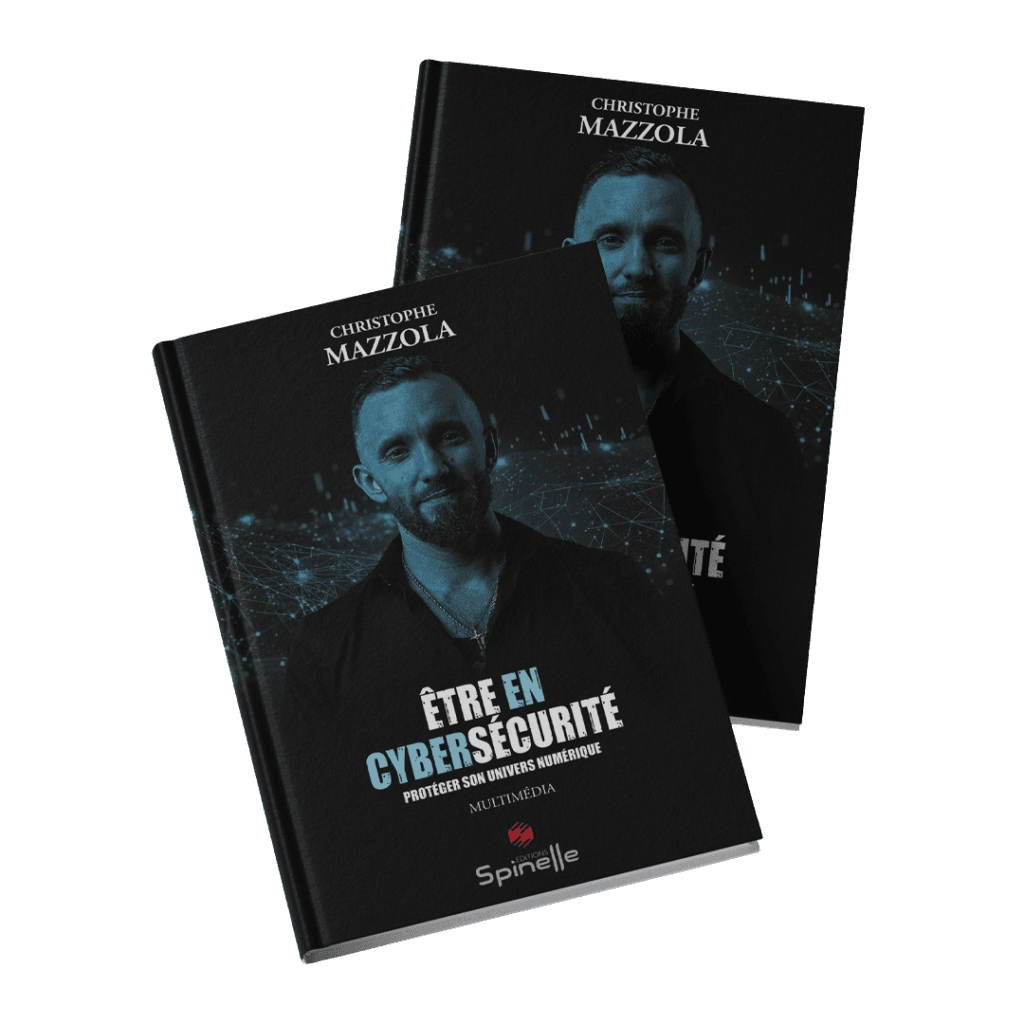
Être en cybersécurité
Une feuille de route cyber en clair, pour tout le monde, pas seulement les experts.