Yoga and cybersecurity: attention as the first line of defense
We have grown used to talking about cybersecurity as a technical subject. And of course it is technical; but what if we learned to talk about it like yoga?
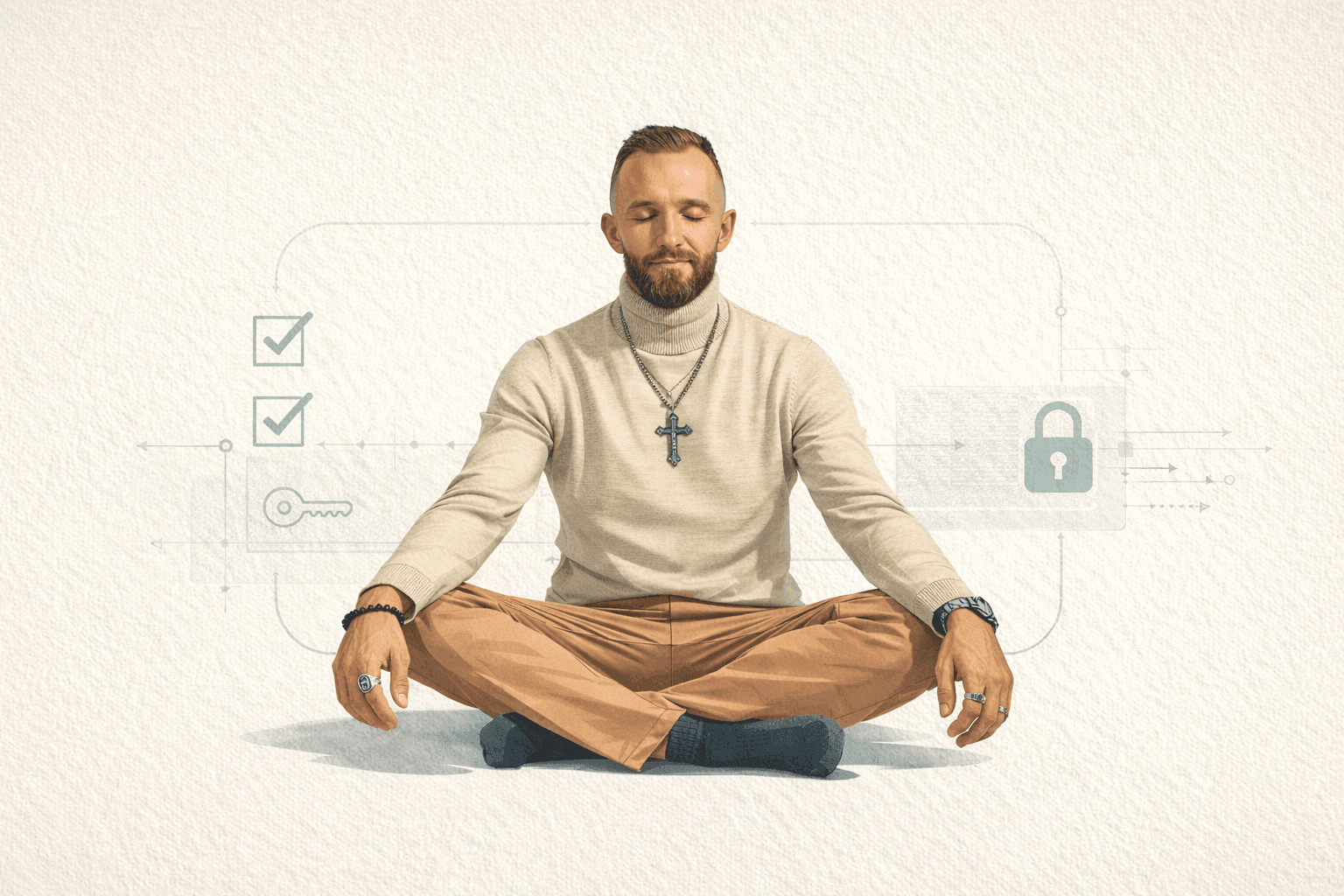
We have grown used to talking about cybersecurity as a technical subject. And of course it is technical: systems, identities, access control, segmentation, procedures.
But in real life, a large share of incidents begins somewhere else:
in a moment of inattention, fatigue, urgency or distraction.
This is not a criticism. It is an observation.
Cybersecurity is not only a matter of tools: it is also a matter of inner state. Of attention. Of presence. Of the ability not to act on autopilot.
This is the exact point where yoga, meditation, and what cyberpsychology brings to light, come together.
What social engineering is really after
Phishing and "modern" scams are not just deception techniques. They are methods for provoking an automatic response.
The triggers are almost always the same:
- urgency ("quick, or else...")
- authority ("it's management / the bank / support")
- fear (loss, penalty, fraud)
- reward (gain, refund, opportunity)
In other words, the attacker is not trying to be smarter than you.
The attacker is trying to obtain an instant where you react instead of choosing.
What cyberpsychology reminds us (and what every practitioner sees in the field) is that our exposure rises when:
- we are rushed,
- we are stressed,
- we are tired,
- we are already multitasking,
- we want to "do it right" fast.
This is not a problem of intelligence.
It is a problem of presence.
Presence is not a "spiritual" concept: it is a security skill
Being present in cybersecurity looks like simple things:
- before typing a password: which domain am I on?
- before opening an attachment: who is asking me this, why, and now?
- before approving an authentication: is this really me?
- before replying: am I responding to a request... or to pressure?
Presence is the micro-second in which you shift from "reaction" back to "discernment".
And that is exactly what you work on the mat:
come back, notice, stabilize, breathe, choose.
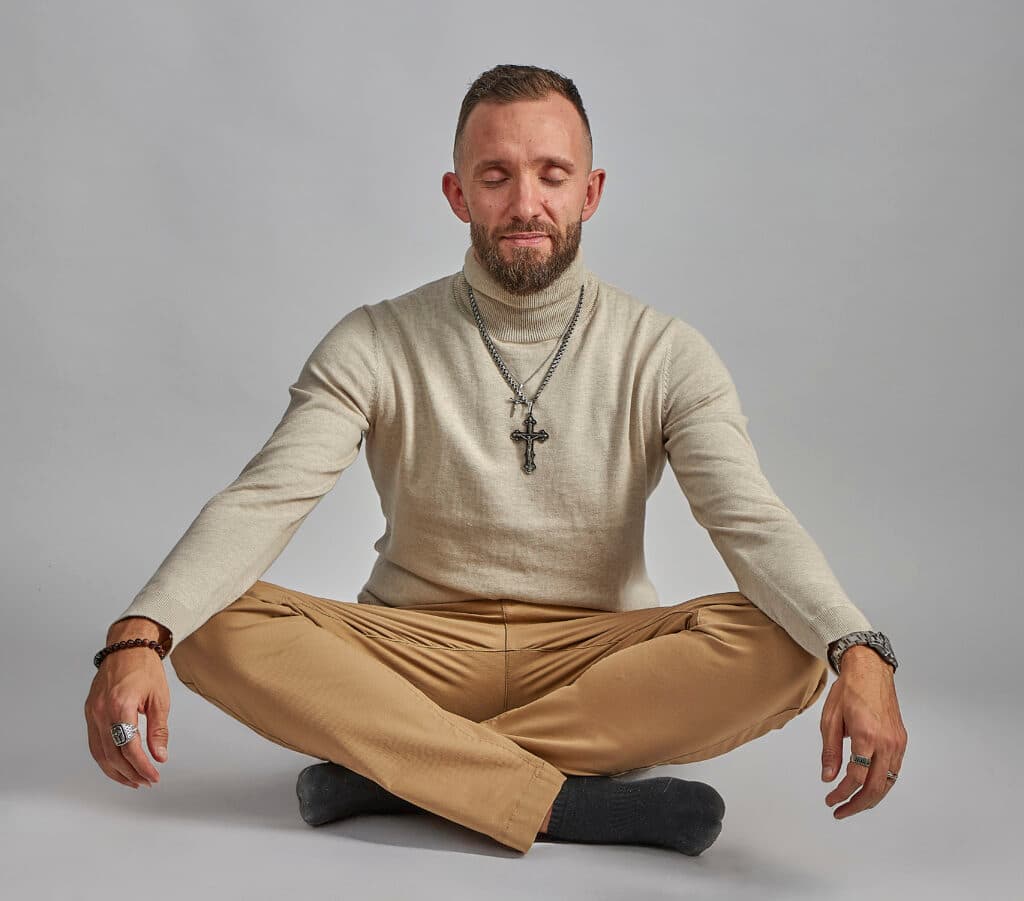
Yoga / meditation: training attention the way you train a muscle
We often run cyber awareness as if "knowing" were enough.
But between knowing and doing, there is pressure, stress, ego, fatigue.
Yoga and meditation do not hand you one more list of rules.
And that is literally what you train on the mat:
- attention (dharana),
- stability (asana),
- regulation (pranayama),
- observation (meditation).
You train the same skill you use to avoid being driven by an "urgent email".
Social engineering targets your identity:
- "be responsive"
- "prove that you can handle it"
- "don't waste time"
- "don't look incompetent"
- "if you don't act, you put everyone at risk.
So you are not obliged to obey the emotion or the thought that pushes you.
You can see fear without becoming the fear.
You can see urgency without becoming the urgency.
You can see the ego without handing it the wheel.
In that space, you verify. You ask for a confirmation. You slow down.
It is an inner move, but it has a very concrete consequence: you become less easy to manipulate.
A simple ritual before risky actions
I don't like miracle recipes. But I do like realistic micro-protocols.
When a message pushes you to act fast (email, DM, invoice, "support" request, link):
- pause
- 3 breaths
- check the domain / context / request
- if in doubt: secondary channel (a call, a message, a known number)
This is not "being zen".
It is a break in the automatism.
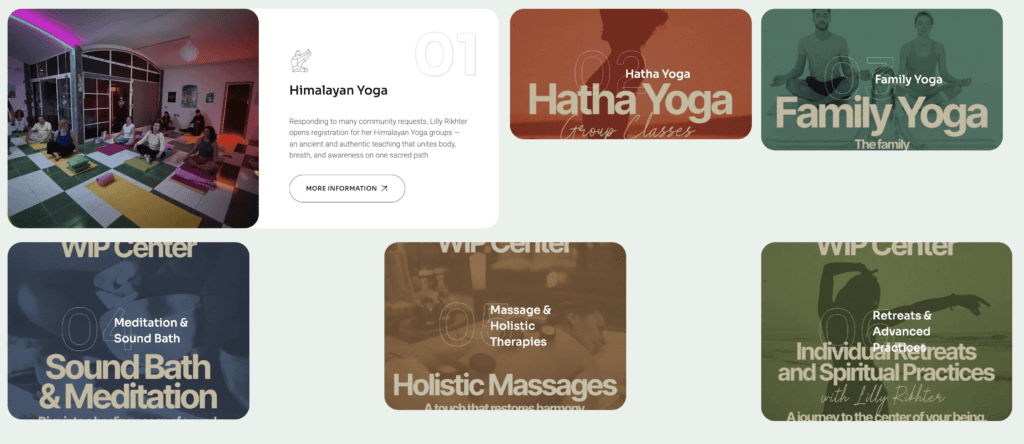
When cyber and meditation already share the same house
For me, this connection is not theoretical.
In Maspalomas, a few months ago, I opened a meditation center.
This meditation center shares the same premises as the Cyber Academy.
So the bridge already exists:
same place, same demand for clarity, same discipline of attention.
And Walk in the Park (wip.care) is part of this same ecosystem: it is the nonprofit I sponsor.
I am not telling a concept: I am describing a consistency in how I live.
A cybersecurity that begins in presence.

Conclusion
We can improve the systems.
But we underestimate the importance of the attention that uses them.
Cybersecurity is also the ability to: slow down, see, discern, choose.
And that... that can be trained.
Questions fréquentes
Why link yoga to cybersecurity?
Because cybersecurity is not only a matter of tools but also of inner state. Yoga and meditation train attention and presence, which are precisely what allows you not to react on autopilot when facing an attack.
What is social engineering really after?
It is not trying to deceive through cleverness but to provoke an automatic response, relying on triggers such as urgency, authority, fear or reward. The goal is to obtain an instant where you react instead of choosing.
What ritual should you adopt before a risky action?
When a message pushes you to act fast, take a pause, take three breaths, check the domain, the context and the request, then, if in doubt, confirm through a secondary channel (a call, a message, a known number).
Is presence really a security skill?
Yes: it is the micro-second in which you shift from reaction back to discernment. Before typing a password, opening an attachment or approving an authentication, that pause lets you verify and makes you less easy to manipulate.
L’auteur
Christophe MazzolaJ’écris sur la cybersécurité telle qu’elle se vit vraiment : gouvernance, facteur humain, et tout ce que les rapports d’audit n’osent pas dire au COMEX. Auteur de « Être en cybersécurité ».
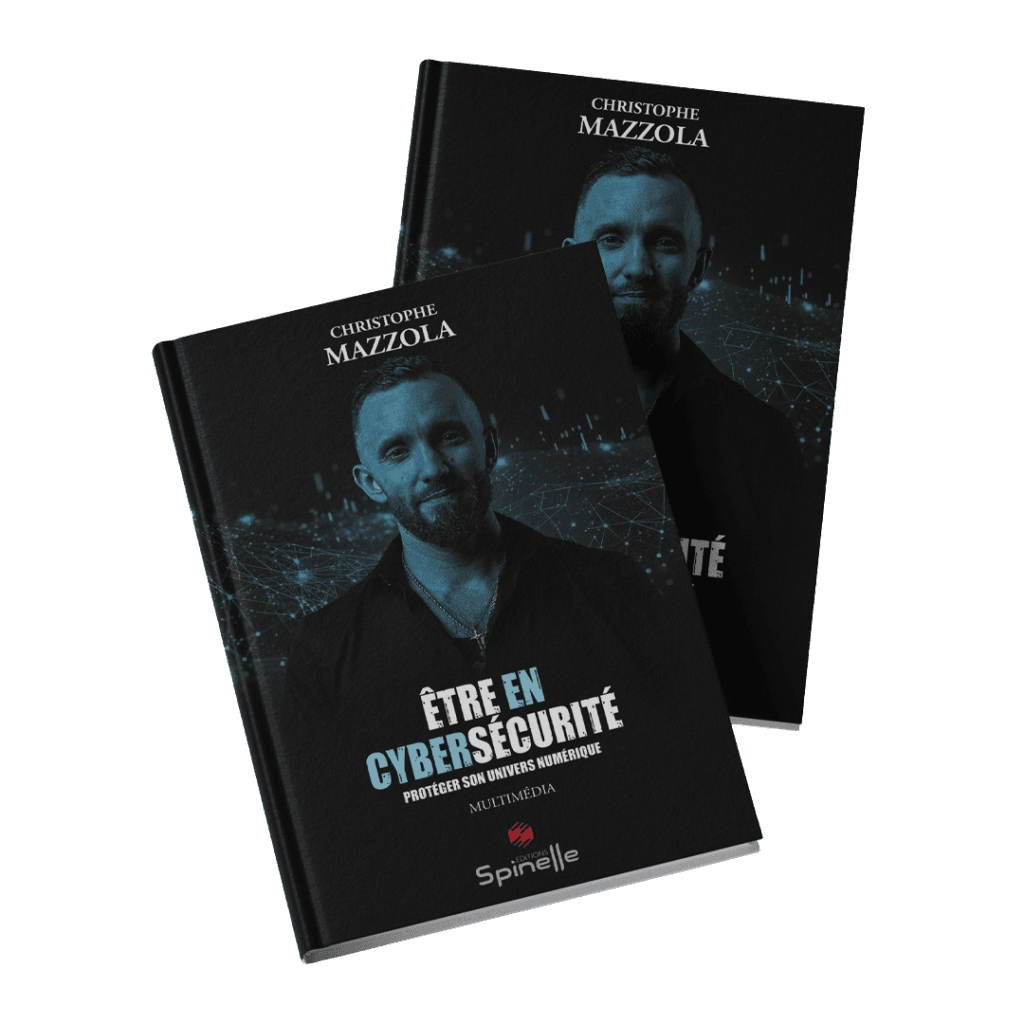
Être en cybersécurité
Une feuille de route cyber en clair, pour tout le monde, pas seulement les experts.