Digital sovereignty: at the Senate, they hold hearings. But when do they act?
The Senate did what it knows how to do: hold a series of hearings on digital sovereignty. Experts, industry players, representatives of the State.
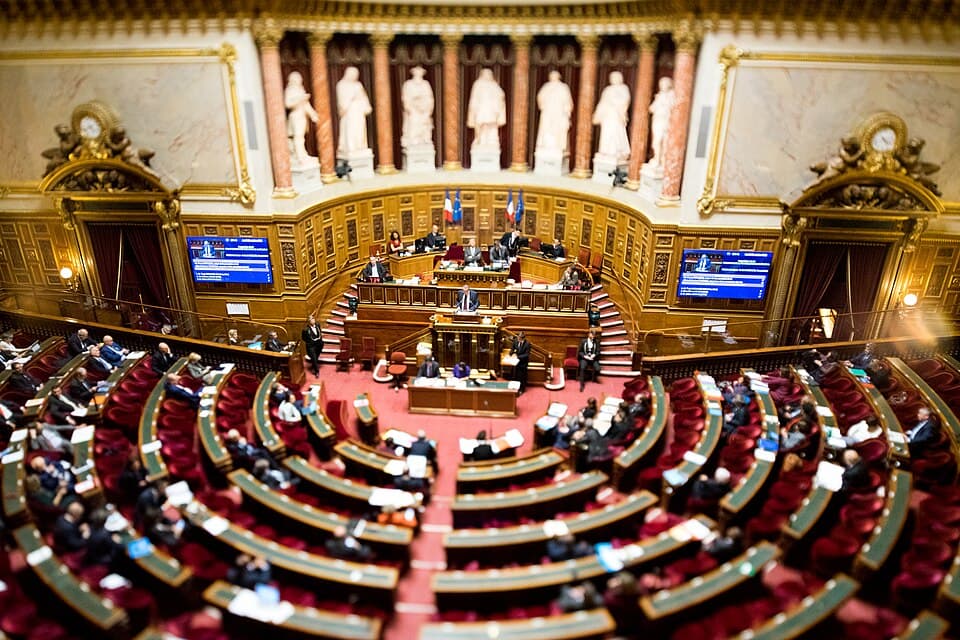
The Senate did what it knows how to do: hold a series of hearings on digital sovereignty.
Yet another one.
Experts, industry players, representatives of the State. Plenty of clear-eyed observations. Plenty of pious wishes. But in the end, always the same French reflex: saying we should have done better, without ever taking the decisions that would truly change things.
There is no shortage of reports. There is a shortage of courage.
For ten years now, we have heard the same phrases:
- "We must support European players."
- "We must strengthen digital independence."
- "The administration must lead by example."
But in practice, we keep on:
- Signing contracts with Microsoft for the national education system.
- Migrating local authorities onto Google Workspace.
- Hosting our health data on non-European clouds.
Everyone sees the problem. No one decides.

How to raise customer loyalty.
When the Senate marvels at our dependence, it is almost comical
The strategic State has been outsourced at a forced march for ten years now.
Cloud and software SMEs are being swallowed up or shut out of tenders written too narrowly. Public decision-makers buy American without owning what it entails. And the few schemes like SecNumCloud have neither the agility nor the resources to carry weight.
We have reached the point of regretting that we never had a "European champion". But who supported that champion? Who gave it access to the big contracts, the public references, the diplomatic backing?
Sovereignty does not need conferences. It needs clear choices.
We could perfectly well:
- Decide that any sensitive public data will be hosted in France or Europe, full stop.
- Allocate part of the IT budgets to local players, even if they are not "market leaders".
- Build in security and independence as political criteria, not just technical ones.
But for that, you have to accept taking a position. Stepping out of the comfort of industrial balances. Upsetting some partners.
And that is precisely what we do not do.
The time for observing is over. It is time to take ownership.
The next major incident will not come from a lack of AI or sovereign cloud. It will come from our inability to build a coherent model.
The Senate can go on holding hearings. But History will mainly remember what we let slip away.
And for now, we are letting everything slip.
Learn more about Christophe Mazzola
Questions fréquentes
What does the article criticize about the Senate hearings on digital sovereignty?
It criticizes them for repeating sound observations and pious wishes without ever reaching concrete decisions, perpetuating the reflex of saying we should have done better without deciding anything.
According to the article, why does France's digital dependence persist?
Because the strategic State has been outsourced at a forced march for ten years: public buyers keep buying American, cloud and software SMEs are ignored, and schemes like SecNumCloud lack agility and resources.
What concrete decisions does the author propose?
Require that any sensitive public data be hosted in France or Europe, allocate a share of IT budgets to local players even when they are not market leaders, and build in security and independence as political and not merely technical criteria.
What is the main obstacle the article identifies?
A lack of courage: taking these decisions means owning a position, stepping out of the comfort of industrial balances and accepting that some partners will be upset, which those in charge do not do.
Sources & méthodologie

L’auteur
Christophe MazzolaJ’écris sur la cybersécurité telle qu’elle se vit vraiment : gouvernance, facteur humain, et tout ce que les rapports d’audit n’osent pas dire au COMEX. Auteur de « Être en cybersécurité ».

Être en cybersécurité
Une feuille de route cyber en clair, pour tout le monde, pas seulement les experts.